
About 10% of people are left-handed, and science suggests handedness is influenced by genetics, fetal development, and survival instincts. Left-handers tend to excel at visual-spatial tasks and are overrepresented among geniuses. However, they also show slightly higher rates of dyslexia and certain neurodevelopmental differences; a tradeoff built into human biology.
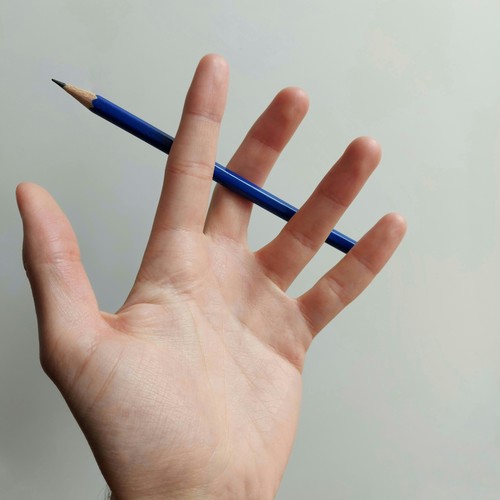
That’s 1 in 10 people, and yet we’ve been designing a right-handed world for centuries. So, what’s actually going on with our southpaw friends, and why are some people left-handed in the first place?
Contrary to what you might expect, there isn’t a dramatic difference between lefties and righties. But there are some genuinely fascinating distinctions. Left-handers tend to excel at visual-spatial tasks, and interestingly, a disproportionate number of geniuses have been left-handed. Not bad company to be in.
One theory about why handedness exists at all comes down to speed and survival. Using one dominant hand is simply more efficient, and in the ancient world, that efficiency could mean the difference between life and death. Early survival may have actually favored left-handers because of the element of surprise. An unexpected punch from the left caught opponents off guard. Better warriors had greater access to resources, more children, and passed those genes along.
Here’s another intriguing piece of the puzzle: societies with high levels of cooperation tend to have more people sharing the same hand dominance, while more competitive societies show greater variation. Handedness, it seems, may reflect something deeper about how we organize ourselves as human beings.
Today, left-handedness may also be influenced by factors during fetal development or birth. Lefties do show higher rates of dyslexia, schizophrenia, allergies, and lupus, a reminder that the same differences that make someone unique can sometimes come with tradeoffs. If dyslexia or other learning disabilities show up alongside left-handedness in your child, a psychological assessment can help sort out what’s simply a wiring difference and what might benefit from extra support.
But regardless of the reason you’re a southpaw, nature has a plan. It always does.
Building a stronger you, one day at a time, Dr. Claudia
Browse more articles on brain development and learning differences:
I’m a PUC. So Are You
#brain development #brain lateralization #dyslexia #fetal development #handedness #learning disabilities #left handed #left handed people #neurodevelopment #visual spatial skills