
Antidepressants take two to six weeks to work because of cellular structures called lipid rafts that trap signaling proteins in people with depression. SSRIs don’t just increase serotonin, they also free those proteins, restoring cell communication. The therapeutic delay reflects the time it takes for those cells to fully come back online.
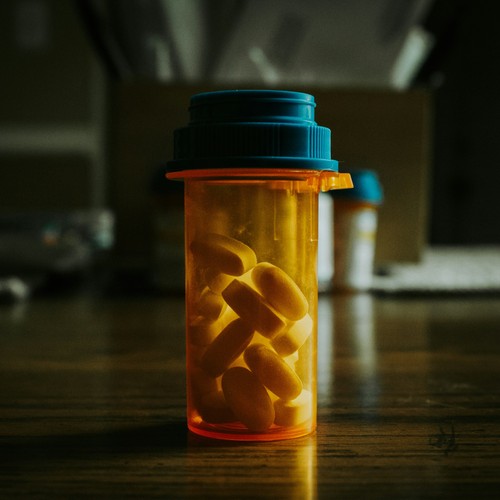
Over the years, countless parents have called me with the same heartbreaking question: why do antidepressants take so long to work for their child? For a long time, I had no good answer, because honestly, neither did the psychiatric and neurological community. That never sat well with me. These were parents watching depression in adolescence up close, desperate for relief that seemed just out of reach. It was gut-wrenching.
Researchers have only recently discovered the reason for this delayed effect, and it all comes down to something called rafts. Yes, rafts.
These aren’t the kind you float down a river on. They’re microscopic structures that specialize in organizing important molecules within our cells. In people with depression, these rafts essentially trap a protein that’s responsible for communication between cells, pulling it out of circulation and keeping it from doing its job.
I picture it like this: the protein hops onto the raft, gets out of the water, stretches out in the sun, and just… doesn’t show up for work. Catching some rays while everyone else is struggling. Not helpful, little protein. Not helpful at all. 😄

When a doctor prescribes an SSRI (Selective Serotonin Reuptake Inhibitor) like Prozac, Zoloft, Lexapro, or Paxil, it’s because serotonin levels in the brain are low. Serotonin is essentially the brain’s naturally occurring antidepressant. But it turns out these medications do something even more interesting than just making serotonin more available.
They also nudge that lazy protein right off the raft and back to work, restoring cell signaling in the process. The actual physical time it takes for those cells to wake up and start communicating again? That’s exactly what we experience as the therapeutic delay. The medication isn’t “building up” in some mysterious way, the cells are quite literally coming back online.
This is genuinely exciting research. It opens the door to developing a test that could predict how a patient will respond to a specific antidepressant before they even start taking it; reducing the frustrating trial and error that so many families go through and getting people to relief faster. And sometimes that may be, why antidepressants take so long to work.
One more thing worth saying: if you’re wondering whether medication is even the right next step, that’s exactly what a psychological assessment is for. It’s the piece that comes before the prescription, helping distinguish garden-variety teenage depression and treatment needs from something that requires a different approach entirely.
Yet again, science has answered one of my burning questions. ✅
On to the next one!

Building a stronger you, one day at a time, Dr. Claudia
Browse more articles on teenage depression and mental health:
Attachment Styles: How Childhood Relationships Shape Adult Behavior
#antidepressants #depression #depression in adolescence #mental health #mental health support #psychiatric medication #serotonin #signs of depression in youth #SSRI #teenage depression #teenage depression treatment